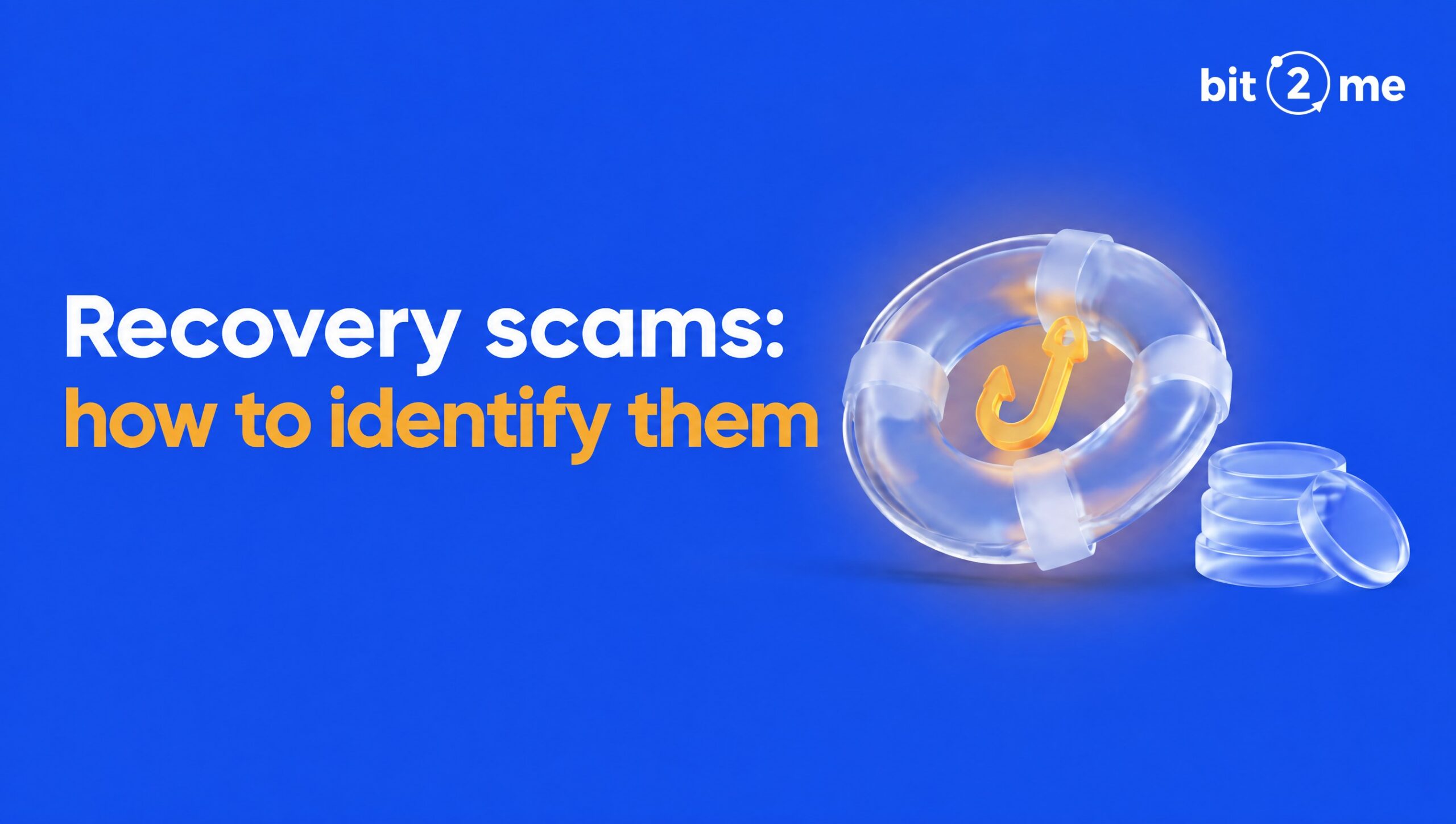
Recovery scams: when they promise to get back what you lost
You have lost money in a scam and you feel awful. A few days later, someone writes to you: a specialised law firm, an ethical hacker or even a supposed official says they can recover your funds. You only have to pay a small amount upfront, and since you have just been through a bad experience, the offer sounds like exactly what you need to hear. Recovery scams work this way, and they hit people at their worst moment, when shame and haste weigh more than caution.
The FBI’s 2025 annual report recorded 10,516 complaints about this type of fraud and close to $1.4 billion in losses, although it warns that part of that figure may include what was lost in the earlier scam. In August 2025, the FBI itself warned about fake law firms that target victims of crypto-asset fraud.
European authorities sum it up in their factsheet on crypto-asset scams (in Spanish) with a sentence worth remembering: having been scammed does not stop you from being scammed again. Someone who has already lost money is a highly sought-after target, because criminals know they are in a hurry to get it back and willing to listen to any promise.
TL;DR
- A recovery scam promises to return what you lost in exchange for an upfront payment.
- Scammers pose as lawyers, hackers, public bodies or platform employees.
- The CNMV does not contact anyone to recover losses, and Bit2Me will never ask you for passwords or remote access.
- If you have lost funds, the real way is to report it, keep evidence and use official channels.
What is a recovery scam?
Imagine your bicycle is stolen and, the next day, someone knocks on your door saying they know where it is and will bring it back if you pay first. Most likely they have no bicycle, or they are the same person who stole it. Recovery scams follow that logic: they take advantage of your wish to fix what happened in order to charge you again.

Often the person who contacts you knows details of your case, such as the name of the fake platform or the amount you lost. It is no coincidence: lists of victims circulate among criminal networks, and sometimes it is the same gang coming back for you in another disguise.
The most common disguises of fake recovery agents
They change the story depending on who they are targeting, but they all end up asking for the same thing: a payment before returning anything. This table helps you recognise them at a glance, even if the name or logo they use looks familiar:
| Disguise | What they tell you | The reality |
|---|---|---|
| Law firm | “We have a ruling in your favour” | They ask for fees upfront |
| Ethical hacker or tracer | “We can follow your funds on the blockchain” | Nobody can reverse a transaction in exchange for a payment |
| Public body | “We are from the CNMV or the police” | Public bodies do not charge to recover funds |
| Platform employee | “Your funds are held, pay to release them” | It is another way of asking you for money |
Why nobody legitimate charges you upfront
The CNMV explains in its notice on recovery rooms (in Spanish) that being asked for money upfront for taxes, fees or insurance policies is a clear sign of this fraud. It also reminds people that the CNMV never contacts anyone directly to recover losses.
Bit2Me Academy sums it up in its guide to identifying and avoiding cryptocurrency scams (in Spanish): be wary of anyone who offers to recover your funds for a fee. And if someone says they speak on behalf of Bit2Me, keep in mind that the company will never ask for your passwords or 2FA codes, or contact you through unofficial channels.
What to really do if you have lost funds
Feeling that you have to do something right now is normal, but the path that works is slower and much safer. Follow these steps and do not pay anyone who promises you shortcuts, however convincing they seem:
- Report it to the police (in Spain, the Policía Nacional or the Guardia Civil) with all the evidence.
- Save screenshots, addresses, receipts and conversations.
- If you used Bit2Me, write to the Support chat from the app or the official website.
- Check any profile or website that claims to be Bit2Me with Bit2Me Verify.
- In Spain, ask for free guidance at the 017, INCIBE’s cybersecurity helpline.
Against recovery scams, real help never bills you in advance
Recovery scams hurt twice as much because they arrive when you feel most vulnerable. Keep one rule that never fails: if someone promises to return what you lost and asks you to pay first, that is not help, it is the second part of the scam.
Frequently asked questions about recovery scams
What is a recovery room?
The name the CNMV uses for recovery scams, in which they charge you to return lost funds.
Can the funds from a crypto scam be recovered?
Sometimes a police investigation manages it, but nobody can promise it to you in exchange for a payment.
Can the CNMV call me to recover my money?
No. The CNMV states that it never contacts anyone directly to recover losses.
Are there hackers who recover crypto-assets?
Whoever offers it by message or advert is usually a scammer. A blockchain transaction cannot be reversed by paying.
How do scammers know I have lost money?
Lists of victims circulate among criminal networks, and sometimes the same gang comes back.
What should I do if I am asked for a payment to release my funds?
Do not pay. Cut contact, keep the evidence and report it to the police.
Can Bit2Me help me if I have been scammed?
Write to the Support chat from the app or the official website so they can review your account. Nobody at Bit2Me will ask you for passwords or remote access.
How do I check whether the person writing to me is from Bit2Me?
With Bit2Me Verify, the official tool for verifying websites, links and profiles.
Where do I report a recovery scam?
To the police (in Spain, the Policía Nacional or the Guardia Civil). The INCIBE 017 advises you for free.
Can I be scammed twice?
Yes. As European authorities remind us, having been scammed does not stop you from being scammed again.
Related articles
Bit2Me STX Obtains CNMV Authorization to Launch Its Blockchain-Native Stock Exchange
Bit2Me STX gets CNMV authorization to operate a Trading and Settlement System under the EU DLT Pilot Regime and launch its blockchain-native stock exchange.
Crypto scams on social media
Fake profiles, so-called influencers and impossible giveaways: these are the most common crypto scams on social media and how to protect yourself from each.
Calls impersonating Bit2Me: how to recognise them
Scammers can make our phone number appear on your screen. This is what a fake call impersonating Bit2Me looks like and what to do to keep your funds safe.
Remote access: the app that steals from you
One of the most effective scams starts with an offer of help and a remote control app such as AnyDesk or TeamViewer. This is how it works and how to avoid it.